Blogging's many death declarations

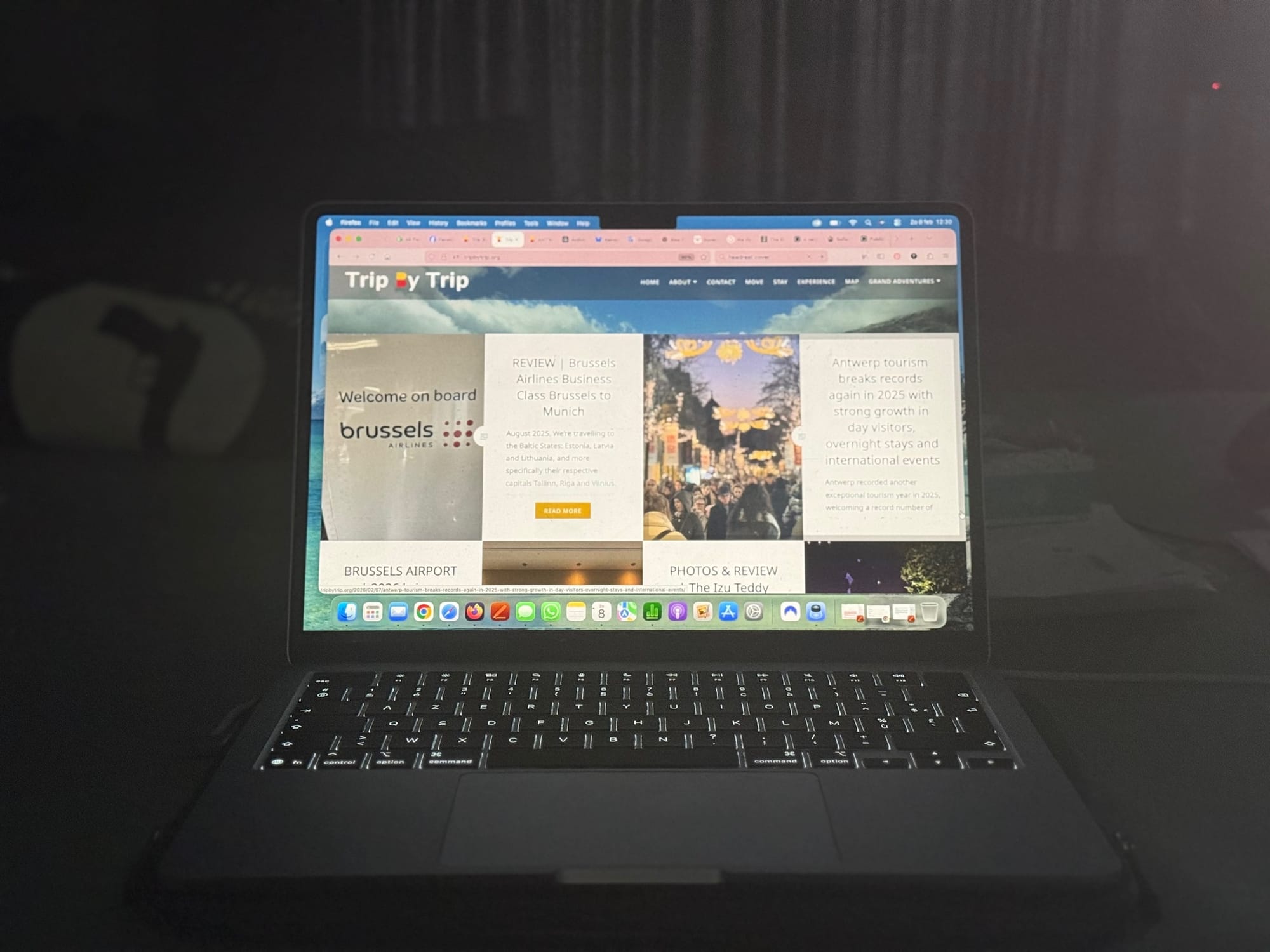
For more than two decades, blogging has been declared dead, revived, reinvented, and declared dead again. Few digital media formats have experienced such a dramatic arc: from anarchic personal diaries and amateur journalism to a global publishing industry. And now to something many fear is quietly being buried by algorithms, platforms, and artificial intelligence.
To understand whether blogging is truly dying, we need to look beyond nostalgia and examine its history, its golden age, and the forces now reshaping, or dismantling, it.
Digital diaries and the proto-blogosphere
Long before the word blog existed, people were already documenting their lives online. In the 1980s and early 1990s, digital communities took the form of Usenet newsgroups, bulletin board systems (BBS), email lists, and early commercial online services such as CompuServe and GEnie. These were not blogs in the modern sense, but they served a similar function: serial publishing, threaded discussions, and communities built around shared interests.
In 1992, Tim Berners-Lee created what is often considered the first blog-like site to document progress on the World Wide Web. In the mid-1990s, online diaries proliferated. Writers such as Justin Hall kept personal journals online, combining confessional writing with commentary on culture, technology, and daily life.
Others, including programmers and gamers, posted frequent updates on personal websites, effectively inventing a chronological publishing format before it had a name.
Weblog, °1997
The term weblog was coined in 1997, and blog soon followed. With tools such as Blogger, LiveJournal, and Movable Type arriving at the turn of the millennium, blogging became accessible to millions of people who lacked technical expertise. What had once required HTML skills and a server could now be done with a few clicks.
Blogs as counter-media and cultural force
By the early 2000s, blogs had become a global phenomenon. They were not just diaries; they were political platforms, technology news hubs, cultural critics, and investigative journalism tools. Political blogs played a significant role in shaping public discourse, breaking stories that mainstream media ignored or missed, and mobilising communities.
Blogs exposed scandals, provided real-time commentary on wars and elections, and created new forms of participatory media. During events such as the Iraq War, Hurricane Katrina, and the 2004 Indian Ocean tsunami, blogs provided information and eyewitness accounts that traditional media struggled to deliver.
By 2004, blogging was mainstream enough to be covered by major newspapers, broadcast on radio and television, and recognised by dictionaries. Politicians, journalists, and academics began blogging, and companies started treating blogs as essential communication channels.
In 2008, researchers described blogs as staples of political commentary, celebrity gossip, and personal expression. They had become a new layer of the public sphere—a decentralised, chaotic, and often partisan alternative to traditional media.
Early death notices: social media and the attention economy
Yet even at its peak, people were already predicting blogging’s demise. By the mid-2010s, social media platforms such as Twitter and Facebook had reshaped how people consumed information. Short posts, instant reactions, and algorithmic feeds replaced long-form commentary for the general public.
By 2017, commentators were already writing obituaries for blogs. Some prominent bloggers shut down their sites, declaring that "the world has moved on from blogs".
Scholars and writers observed that while blogs still existed, they had lost their central role in shaping mainstream discourse. Attention spans were shrinking, audiences were fragmented, and competing with social platforms felt impossible.
Blogs had once driven national conversations; now they were often relegated to niche communities.
Platformisation: from independent blogs to walled gardens
The next transformation came with platforms. Medium, Substack, and similar services promised to simplify publishing and monetisation, but they also centralised control. Independent websites gave way to corporate platforms that controlled distribution, visibility, and revenue.
This shift changed the economics and culture of blogging. Instead of owning their websites and audiences, writers increasingly depended on opaque algorithms and platform policies. Monetisation systems fluctuated unpredictably, accounts could be suspended without explanation, and discoverability depended on platform curation rather than the open web.
At the same time, paywalls proliferated. Readers who once accessed blogs freely were now asked to pay multiple subscriptions across platforms. For many, supporting dozens of creators became financially impossible, accelerating audience fragmentation and fatigue.
The algorithmic apocalypse: search, AI, and the collapse of traffic
By the early 2020s, the biggest existential threat to blogging came not from social media, but from search engines and artificial intelligence.
For years, Google search had been the lifeblood of independent blogs. Writers built businesses on organic traffic, affiliate marketing, and advertising. But a series of core algorithm updates in the 2020s dramatically changed the landscape.
Independent publishers reported catastrophic traffic losses, often overnight. Corporate sites, forums, and AI-generated summaries increasingly dominated search results.
The story of a travel blogger losing thousands of euros per month in income within weeks illustrates the fragility of this ecosystem. Years of content creation could be wiped out by an algorithmic change, with no transparency and no recourse.
At the same time, AI chatbots began replacing blogs as information sources. Instead of searching and reading articles, users asked AI for summaries, travel tips, and tutorials. The web’s content was still being used; but increasingly without attribution, traffic, or revenue flowing back to the creators.
Ironically, AI also flooded the internet with low-quality content, making it harder for human-written blogs to stand out. Detection systems misclassified legitimate writing as AI-generated, leading to demonetisation and bans.
The economics of exhaustion
Traditional blog monetisation—advertising, affiliate links, sponsorships—has become unreliable. Ad revenue has declined, affiliate programmes have changed terms, and competition has intensified. Subscription models work for a minority of high-profile creators but are unsustainable for the average reader and writer.
The result is a paradox: more content than ever, but fewer sustainable careers in independent blogging.
Is blogging dead, or transformed?
Declarations of blogging’s death are not new. Every technological shift, from social media to platforms to AI, has triggered a new obituary. Yet blogs persist, in altered forms: newsletters, personal websites, long-form essays, corporate content marketing, and niche communities.
What is dying is not writing online, but a particular model of blogging:
- independent websites discovered through search;
- monetised through ads and affiliates;
- controlled entirely by their creators.
In its place is a fragmented ecosystem dominated by platforms, algorithms, and AI intermediaries.
After the blog
If blogging is dying, it is dying in the same way that newspapers, radio, and television have 'died': by transforming into something else.
The DNA of blogging, i.e. personal voice, chronological publishing, hyperlinks, community commentary, still shapes the internet. But the open, decentralised blogosphere that once defined the web is fading.
The future may bring new platforms that restore creator control, decentralised publishing technologies, or renewed interest in independent websites. Or blogging may become a niche practice, sustained by hobbyists, scholars, and those who refuse to surrender their digital autonomy.
For many writers, blogging is still more than a business model: it is a form of thinking, documentation, and cultural memory. Whether or not it remains economically viable, its influence on digital culture is permanent.
The long death of a medium
Blogging did not die in a single moment. It has been dying, evolving, and mutating for over a decade. Its decline is not a story of failure, but of structural shifts in technology, economics, and attention.
The blogosphere once promised a democratic internet where anyone could publish and be discovered. Today’s internet is dominated by platforms, algorithms, and AI systems that mediate visibility and monetisation. Independent blogging is not gon, but it is no longer the centre of the web.
Perhaps the real question is not whether blogging is dead, but whether the open web it represented can survive in an era of algorithmic gatekeepers.
And for me?
At 44, I've been writing online for some 24 years. I remember the crises: Facebook making life harder for news blogs. Organisers didn't need news blogs and RSS feeds anymore to communicate their activities anymore. They could reach their public directly.
Then Google stabbed blogging in the back. Nowadays content creators turn to TikTok and what not.
I'm perhaps old fashioned but I like the curated environment of a blog and an RSS feed. I want to be able to look what was written or shown on video (YouTube). You can't find passed content on Instagram.
So I keep blogging. For free. It's a hobby and always will be. I don't want the hassle of accountancy, tax administration and commitment which come with blogging for income. I have a job and I love writing and publishing as a hobby.
I will continue doing that.