LGBTQIA+ & worldwide politics: what will 2026 bring?

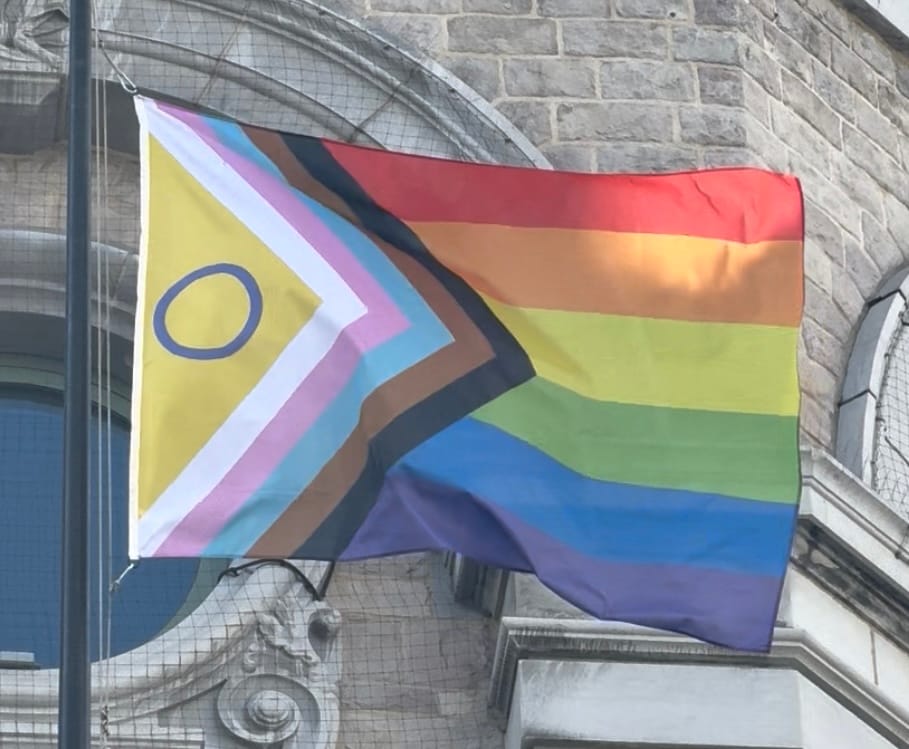
What will 2026 bring regarding LGBTQIA+ issues in (world) politics? Lucy Middleton made some predictions for Context, the news site of the Thomson Reuters Foundation. A year likely to be shaped by elections, court rulings and legislative reforms.
After a period marked by funding cuts and legal setbacks, the global outlook remains uncertain. In the United States, President Donald Trump (R) halted longstanding funding for international rights initiatives and HIV prevention programmes, while governments in Ghana, Kazakhstan and Turkey introduced or strengthened restrictions affecting LGBTQIA+ people.
At the same time, there were notable advances, including the introduction of marriage equality in Thailand and Liechtenstein and the first same-sex civil partnerships in Lithuania, although Burkina Faso and Trinidad and Tobago moved in the opposite direction by criminalising same-sex relations.
Rulings and elections
Courts in countries such as Japan, Botswana and Hungary are expected to issue rulings that could shape national LGBTQIA+ policies, while elections in Uganda, Peru, Colombia, Bulgaria, the United States and New Zealand may bring further changes.
In Colombia, Bogotá’s mayor Claudia López could become the country’s first female and openly lesbian president, whereas Peru’s leading candidate Rafael López Aliaga opposes same-sex marriage and abortion.
The International Olympic Committee is also expected to announce new eligibility rules for transgender athletes following the creation of a working group to review protections for women’s sport.
Africa
Across Africa, a same-sex couple in Botswana is challenging the government over the right to marry, Ghana’s proposed Family Values bill could further criminalise same-sex relationships, and Zimbabwe is expected to begin recognising intersex people through legal reform.
Asia
In Asia, Japan’s Supreme Court will consider lawsuits on same-sex marriage, Indonesia’s new law criminalising sex outside marriage effectively outlaws same-sex relations, and lawmakers are working on legislation that could censor LGBTQIA+ content online.
Europe
In Europe, Poland is expected to introduce cohabitation contracts for couples, Kazakhstan has implemented a law banning so-called LGBTQIA+ propaganda, and the European Union Court of Justice is due to rule on Hungary’s anti-LGBTQ+ legislation and a case involving gender recognition for a Bulgarian trans woman. In the United Kingdom, a new code of practice on access to single-sex spaces is anticipated following a Supreme Court ruling on the legal definition of a woman.
North America
In North America, a Texas judge is challenging the legality of same-sex marriage in the United States, while the Supreme Court is set to decide cases on conversion therapy bans and restrictions on transgender athletes in sports.
Several states in Mexico are expected to classify the killing of trans women as a specific crime of transfemicide.
South America
In South America, Chile is likely to introduce anti-bullying measures covering sexual orientation, gender identity and sex characteristics.
Oceania
In Oceania, the state of Victoria in Australia may ban non-consensual intersex surgeries on minors, while New Zealand’s restrictions on puberty blockers for minors will face judicial review.
Overall, Middleton’s analysis suggests 2026 will be a pivotal year, with progress and backlash unfolding simultaneously across different regions and legal systems.